Week 1: Foundation & First Level 10 Meeting™
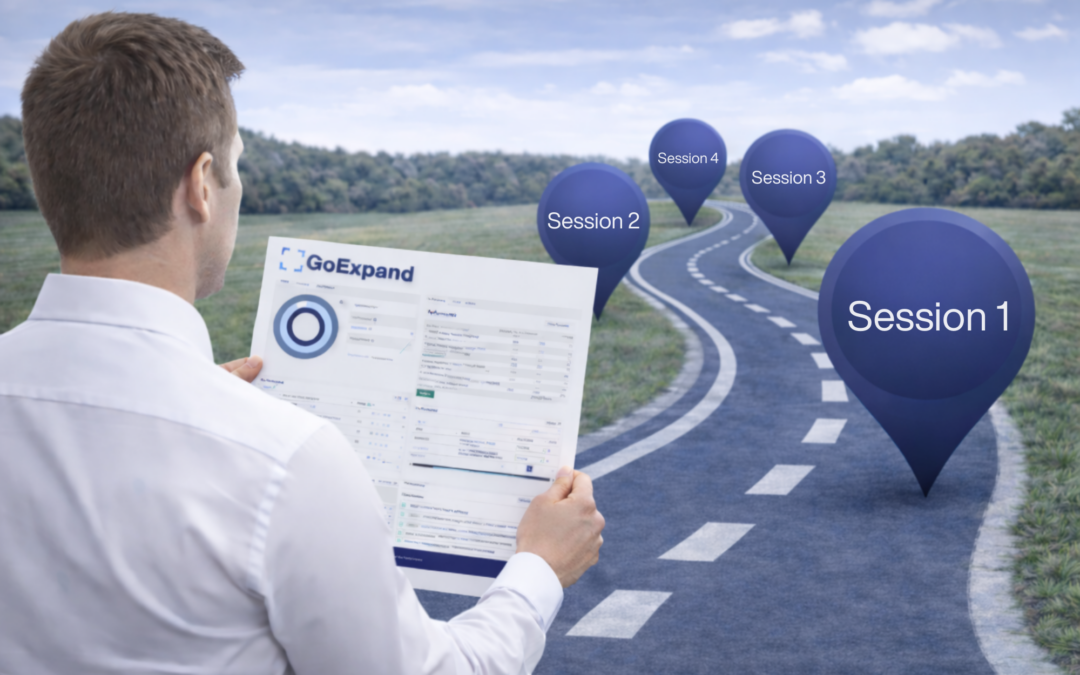
Session 1 — 60–90 Minutes
This week is about building your foundation and preparing to run your first Level 10 Meeting™ inside GoExpand.
What We’ll Cover
Platform Navigation & Dashboard Overview
• Understanding the main dashboard
• Locating Scorecard, Rocks, To-Dos, Issues, and Meetings
• How everything connects inside the system
Users, Roles & Seat Assignments
• Adding users
• Assigning roles and permissions
• Connecting users to seats on the Accountability Chart™
Material Covered:
Create & Manage Users
Manage Roles & Permissions
Creating & Managing To-Dos
• How to create To-Dos
• Assigning one owner
• Setting clear due dates
• Reviewing To-Dos weekly in the Level 10 Meeting™
Material Covered:
Create and Manage Tasks (To-Dos)
Managing Rocks (Quarterly Priorities)
• Creating Rocks in the platform
• Assigning accountability
• Connecting Rocks to meeting discussions
Material Covered:
Managing Objectives (Rocks)
Introduction to the Level 10 Meeting™ Agenda
• Segue
• Scorecard
• Rock Review
• To-Do List
• IDS® (Identify, Discuss, Solve)
• Conclude
Material Covered:
Executive Leadership Meeting Agenda
How to Run a Level 10 Meeting™
Managing Scorecards in Meetings
By the End of Week 1
You will run your first Level 10 Meeting™ with live support from our team.
Week 1 Training Q&A
Platform & Navigation
Q: What is the primary purpose of GoExpand?
A: To support EOS execution by organizing your Scorecard, Rocks, To-Dos, Issues, and Level 10 Meetings™ in one structured system.
Q: Where should leaders focus first inside the platform?
A: Start with the Scorecard, Rocks, and To-Dos — those drive weekly traction.
Users, Roles & Accountability
Q: What’s the difference between a user and a seat?
A: A user is a person in the system. A seat represents a defined role with clear accountabilities on the Accountability Chart™.
Q: Can someone sit in more than one seat?
A: Yes, especially in growing organizations — but each seat must have clear responsibilities.
To-Dos & Accountability
Q: What makes a strong To-Do?
A: It has one owner, a clear outcome, and a due date within seven days.
Q: What happens if a To-Do isn’t completed?
A: It gets reviewed in the Level 10 Meeting™ and either completed, reassigned, or IDS’d.
Rocks (Quarterly Priorities)
Q: How many Rocks should each leader have?
A: Typically 3–7 quarterly Rocks, aligned with company priorities.
Q: How are Rocks different from To-Dos?
A: Rocks are 90-day priorities. To-Dos are short-term action steps.
Scorecard
Q: Why do we review the Scorecard every week?
A: It provides leading indicators that surface issues before they become major problems.
Q: What makes a good Scorecard metric?
A: It’s measurable weekly, owned by one person, and tied to business health.
Level 10 Meeting™
Q: Why follow the Level 10 Meeting™ agenda strictly?
A: Structure protects time, increases focus, and improves accountability.
Q: What is IDS®?
A: Identify, Discuss, Solve — the disciplined way to solve issues during the meeting.
Q: What should success look like after the first meeting?
A: Clear ownership, updated Scorecard, tracked Rocks, completed To-Dos, and a structured flow.